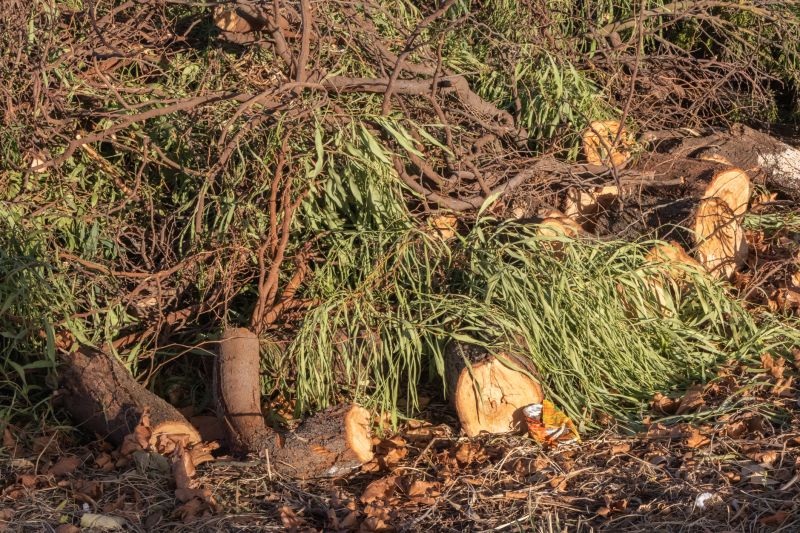
Tree Debris Removal in Honolulu, HI
Tree debris removal services involve clearing away fallen branches, leaves, and other organic material from residential properties. This service is often requested after storms, heavy winds, or during seasonal cleanups to maintain a tidy yard and prevent potential hazards such as tripping or damage to lawn equipment. Property owners typically want to understand what types of debris are included, whether the work covers large branches or just smaller twigs, and if the removed material will be properly disposed of or recycled.
Before requesting tree debris removal, homeowners should consider the scope of the project, including the size and amount of debris present and whether any hazardous or difficult-to-reach areas are involved. It’s also helpful to clarify if the service includes cleanup of the surrounding area afterward and if equipment or special arrangements are needed for larger or more complex projects. Understanding these details ensures that the property remains safe and well-maintained after the debris removal process.
Many property owners in Honolulu, HI look into Tree Debris Removal for repairs, replacements, upgrades, and appearance-related improvements.
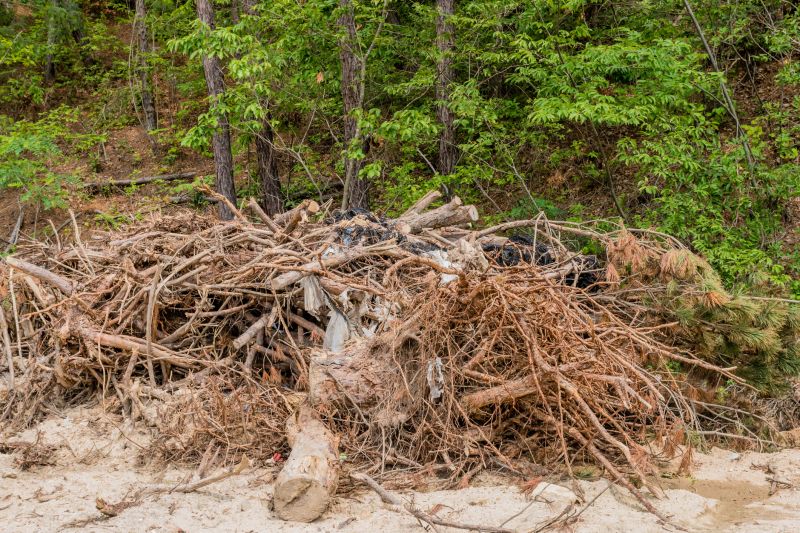
Clearing Fallen Branches
Removing branches after storms to keep your yard safe and tidy.
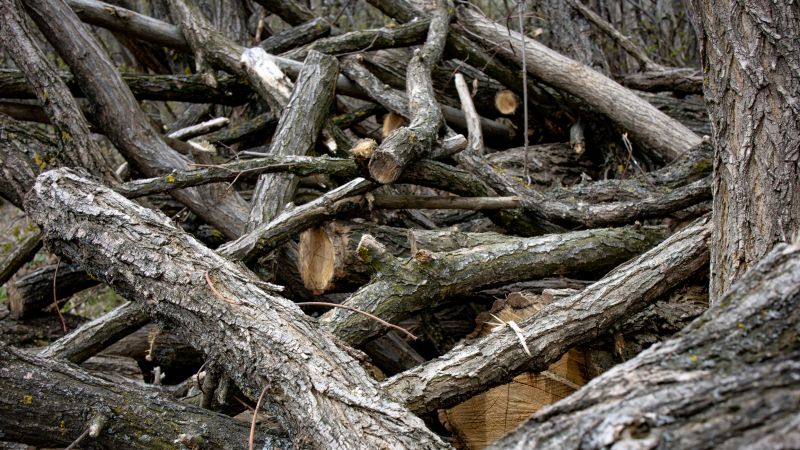
Storm Debris Cleanup
Eliminating tree debris caused by high winds to restore your outdoor space.
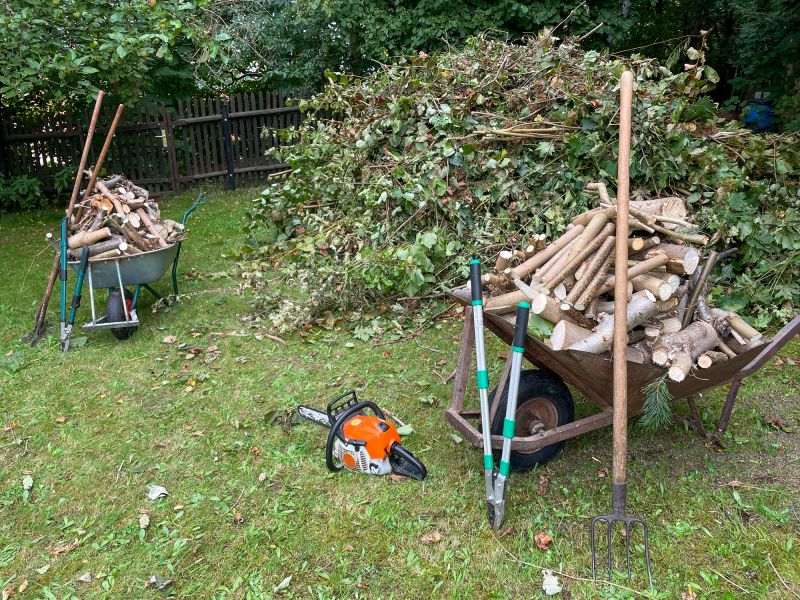
Hurricane Preparedness
Preparing properties by removing loose limbs and potential hazards before storms arrive.
Tree Debris Removal in Honolulu, HI
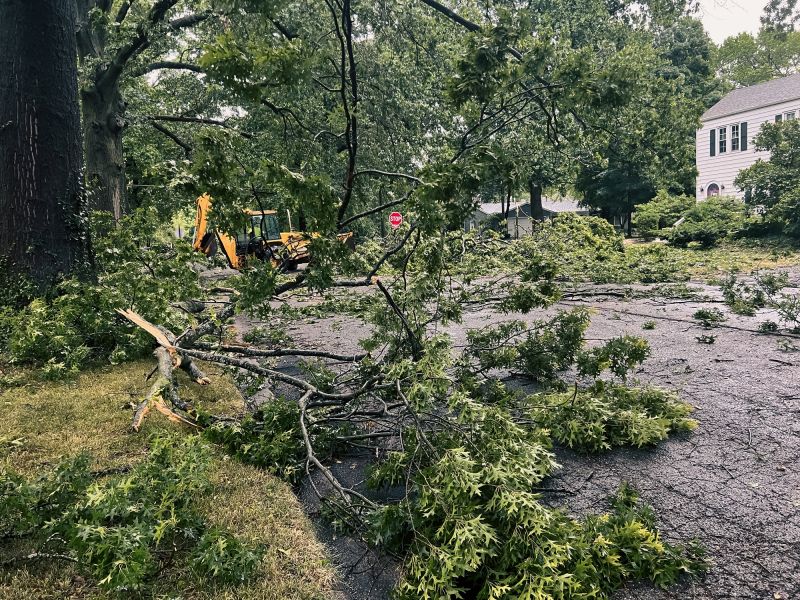
Tree debris removal services involve clearing away fallen branches, leaves, and other organic material from residential properties. This service is often requested after storms, heavy winds, or during seasonal cleanups to maintain a tidy yard and prevent potential hazards such as tripping or damage to lawn equipment. Property owners typically want to understand what types of debris are included, whether the work covers large branches or just smaller twigs, and if the removed material will be properly disposed of or recycled.
Before requesting tree debris removal, homeowners should consider the scope of the project, including the size and amount of debris present and whether any hazardous or difficult-to-reach areas are involved. It’s also helpful to clarify if the service includes cleanup of the surrounding area afterward and if equipment or special arrangements are needed for larger or more complex projects. Understanding these details ensures that the property remains safe and well-maintained after the debris removal process.
Many property owners in Honolulu, HI look into Tree Debris Removal for repairs, replacements, upgrades, and appearance-related improvements.
Common Tree Debris Removal Jobs
Tree debris removal services help clear fallen branches and leaves to keep properties tidy.
They remove storm-damaged limbs that pose safety hazards or block pathways.
Services include gathering and disposing of yard waste resulting from tree trimming or storms.
Tree debris removal can prevent pest infestations caused by decaying organic material.
Regular cleanup helps maintain landscape appearance and reduces the risk of property damage.
Professional removal ensures safe handling of large or difficult-to-reach debris.
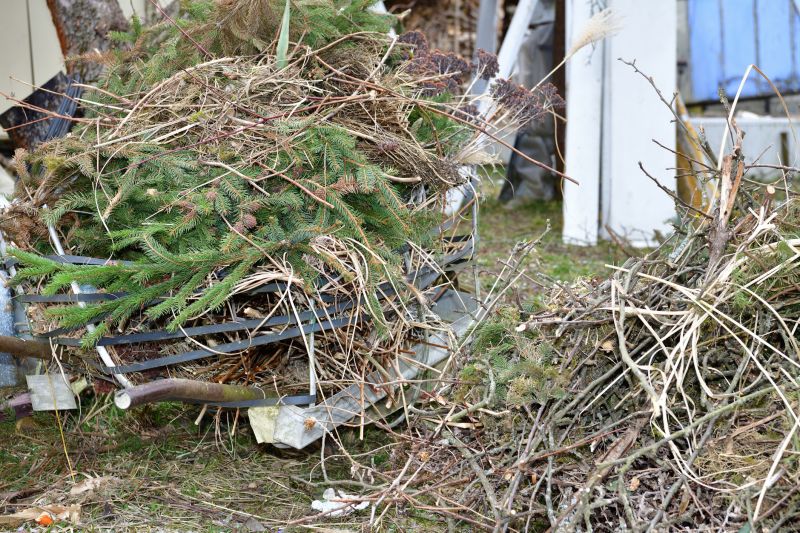
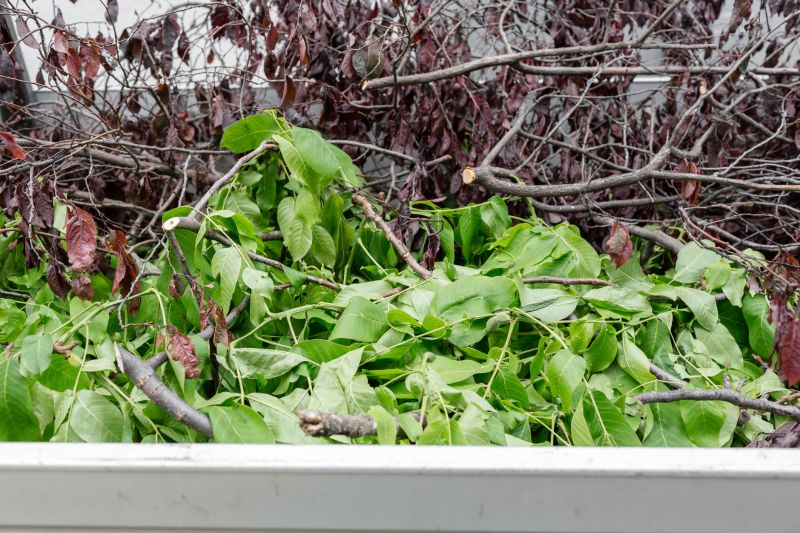
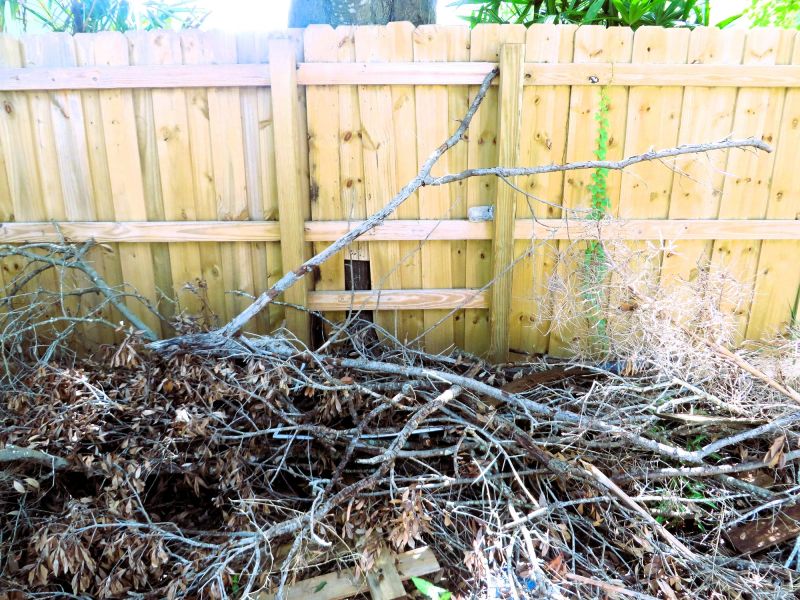
Tree Debris Removal Questions
What types of tree debris removal services are available? Services include clearing fallen branches, trimming overgrown limbs, and removing storm-damaged debris from yards and properties.
When should tree debris be removed? Tree debris should be removed promptly after storms or when it begins to pose safety or property concerns.
Is tree debris removal safe for surrounding plants and structures? Yes, professional removal typically ensures minimal impact on nearby plants, structures, and landscaping.
What should property owners consider before scheduling tree debris removal? It’s important to assess the extent of debris and any potential hazards to determine the necessary scope of work.
Request Tree Debris Removal in Honolulu, HI
Use the quote form on this page to share the basics of your project and request more information for the type of work you need.